Choosing the Best Pest Control Service: A Comprehensive Guide
Pest control is an essential aspect of maintaining a hygienic and secure living environment. Whether you are dealing with typical pests like ant infestations and cockroaches or greater dangers such as termite infestations and bedbug issues, understanding how to successfully address these issues is vital. Many homeowners and renters alike may find themselves wondering when to call in the professionals and how to select the right service to tackle their pest problems. With the proper information, you can make informed decisions that protect your home and family.
This thorough guide will examine the key factors in choosing a pest control service, emphasize the signs that indicate a need for professional help, and discuss the various types of pests you may encounter. From recognizing the risks of ignoring a pest problem to exploring eco-friendly options, we will cover everything you need to know to maintain your home pest-free. Come along as we explore the world of pest control, making sure you have the tools and information essential to make informed decisions for your unique situation.
Recognizing Pest Issues
Identifying the signs of a pest issue in your house is the initial action towards efficient pest management. Common indicators include noticeable infestations, feces, and gnaw marks. For example, ants may leave tracks, while rodents often leave droppings in concealed spaces such as under basins or behind devices. If you notice unusual sounds, such as scratching or scuttling in the walls, it could indicate a hidden mice issue, which requires prompt attention.
Another important factor is the presence of burrows or webs. Spiders often construct webs in corners or secluded spots, and bugs like bees or wasps may create hives outside your property. Additionally, if you start seeing indicators of damage to furniture, the walls, or wiring, it can be a clear signal of a pests problem, particularly from termite species or cockroaches. Being vigilant in recognizing these signs can avert more extensive damage and expensive fixes.
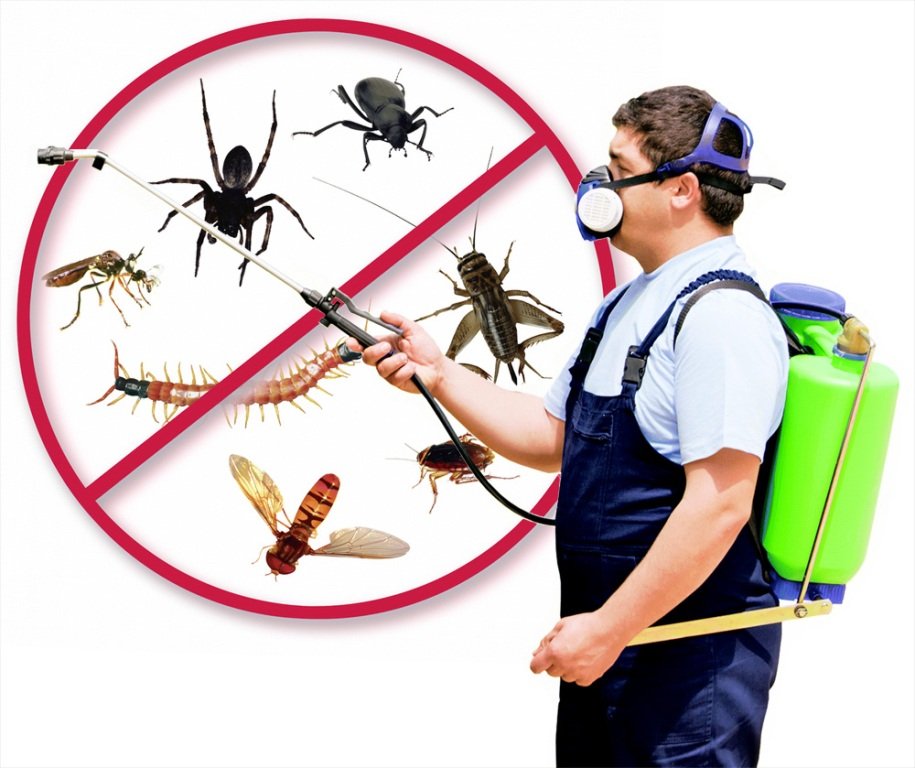
Lastly, take into account the seasonal aspects of pests activity. Various types of pests are more common during specific periods of the season, and certain may enter your residence seeking refuge from cold weather or heat waves. For example, ants are more vigilant in hotter seasons, while mice may look for coziness during the winter months. Recognizing these trends can help you stay alert and detect pests problems early, enabling you to take appropriate action before they escalate.
Choosing a Pest Control and Management Service
When choosing a pest control service, it is crucial to start with comprehensive investigation. Look for providers that have a positive image in your area. Reviewing online reviews and requesting for recommendations from acquaintances can provide valuable information into the effectiveness and dependability of various services. Additionally, check if the companies have the appropriate licenses as this ensures they meet regulatory requirements and guidelines.
Once you have a selection of potential services, question about their pest control strategies. Some companies may use harsh products that could be dangerous to children and animals, while some might concentrate on eco-friendly solutions. Knowing their strategy to pest control will help you select a company that matches with your principles and safety concerns. Don't be afraid to pose questions about their methods, such as the manner in which they treat specific pests or what preventive steps they advise.
Finally, think about the quality of assistance provided by the pest control company. A reliable company should be prepared to respond to your questions and tackle any concerns you may have. Pay close attention to their responsiveness during your initial contact, as this is often reflective of the type of support you will receive throughout the process. A good pest control service should not only remove existing vermin but also provide guidance on how to avoid future infestations.
Preventive Measures and Best Methods
To effectively avoid pest invasions, it is crucial to maintain a clean and organized house. Consistently cleaning surfaces, vacuuming floors, and properly storing food can assist eliminate potential food sources for pests. Pay special attention to areas like kitchens and dining spaces, where crumbs and spills are frequent. Additionally, decluttering can reduce hiding spots for pests, making your environment less appealing.
Another vital preventive measure is sealing entry areas. Inspect your home for gaps or cracks around windowsills, doors, and the foundation, and seal these openings with caulk or weather stripping. Installing Check This Out can also aid keep pests out. Outdoor care is equally important; keep gutters clean, trim overgrown vegetation, and store firewood away from the house to create a line of defense against pest access.
Finally, think about regular inspections by a pest control professional as part of your prevention strategy. These professionals can identify potential issues before they escalate and recommend specific treatments. Being proactive rather than reactive is essential; by investing in preventive pest control, you not just ensure a pest-free house but also protect your family's health and safety.