A Significance of Pest Management in Public Well-being
Pest control is a key aspect of preserving public health, yet it is often underestimated. Infestations like rodents, bugs, and wood-destroying organisms not only create problems but can also transmit diseases, destroy belongings, and lead to serious health risks. Grasping https://blankenship-martens-2.federatedjournals.com/the-cost-of-pest-control-management-what-you-should-to-know of effective pest management is crucial for homeowners, renters, and businesses alike in creating a safe and healthy environment.
With the growing awareness of the dangers infestations can pose, it is vital to identify the signs that indicate a need for expert help. Whether it’s addressing a minor issue or a serious infestation, knowing how to select the best pest control company and what to expect during a service call can make all the difference. Moreover, awareness about prevention strategies and eco-friendly options provides individuals and communities with tools to safeguard their spaces without compromising health or safety. In this article, we will explore the different facets of pest control and its significant impact on public health, providing understanding into effective strategies for maintaining your environment pest-free.
Identifying the Need for Pest Management
Infestations can be more than just a annoyance; they can pose significant health threats to residents and visitors. Recognizing https://notes.io/wDyHk that signal a pest problem is essential for maintaining a secure and healthy living environment. Common signs such as droppings, bite marks, or a marked increase in pest sightings are clear warnings that qualified pest control may be necessary. The existence of pests like rodents and insects often suggests that your home may have vulnerabilities that need addressing.
Another key sign is the presence of damage to property. Pests such as wood-eating insects can cause serious structural damage if ignored, while ant colonies and cockroaches can contaminate food and surfaces. Regular inspections can help detect these issues before they worsen. If you notice strange smells, especially from areas like walls or under sinks, it may indicate a underlying pest problem that should not be dismissed.
The importance of tackling pest infestations can vary depending on the type of pest and the seriousness of the problem. Many pests multiply quickly, making prompt intervention crucial. Neglecting a pest problem can lead to larger infestations, higher treatment costs, and higher risk to health and hygiene. Being mindful of these indicators and recognizing the need for swift pest control can help safeguard your home and health.
Opting for the Proper Pest Control Service
Finding the appropriate pest control service is important for efficient pest management. Start by exploring local services and reading customer reviews to gauge their reputation. Seek out licensed and insured providers, as this demonstrates they meet essential safety and competency standards. Ask for recommendations from friends or relatives who have had positive experiences. A trustworthy company should be open about their approaches, services, and pricing.
Once you have a selection, get in touch for estimates and consultations. During these interactions, pay care to how they respond to your questions and concerns. A good provider will take the time to explain their approach, evaluate your pest problem properly, and provide comprehensive information on their treatment plans. Refrain from companies that hurry you into choices without responding to your questions.
In conclusion, think about the future partnership you want to build with your pest control service. Regular upkeep and inspections can help prevent pests before they become a major issue. Choose a company that offers comprehensive services and is ready to create a customized strategy that fits your unique needs. This forward-thinking approach helps guarantee a pest-free setting while also providing comfort.
Comprehending Bug Management Strategies
Successful pest management strategies combine several approaches to diminish pest populations while ensuring safety and environmental responsibility. Integrated Pest Management (IPM) is a broadly recognized strategy that emphasizes comprehending pest biology and ecology, enabling prevention and control tactics that are efficient and sustainable. IPM typically includes monitoring pest levels, detecting infestations early, and using a combination of biological, cultural, physical, and chemical methods customized to the specific pest problem.
Preventative measures play a key role in pest management. By upholding cleanliness, sealing entry points, and creating an less hospitable environment for pests, homeowners and businesses can significantly reduce the chance of infestations. Regular inspections and maintenance can identify potential issues before they escalate. Understanding the patterns and lifecycle of pests allows for anticipatory measures that prevent them from establishing a presence in homes or properties.
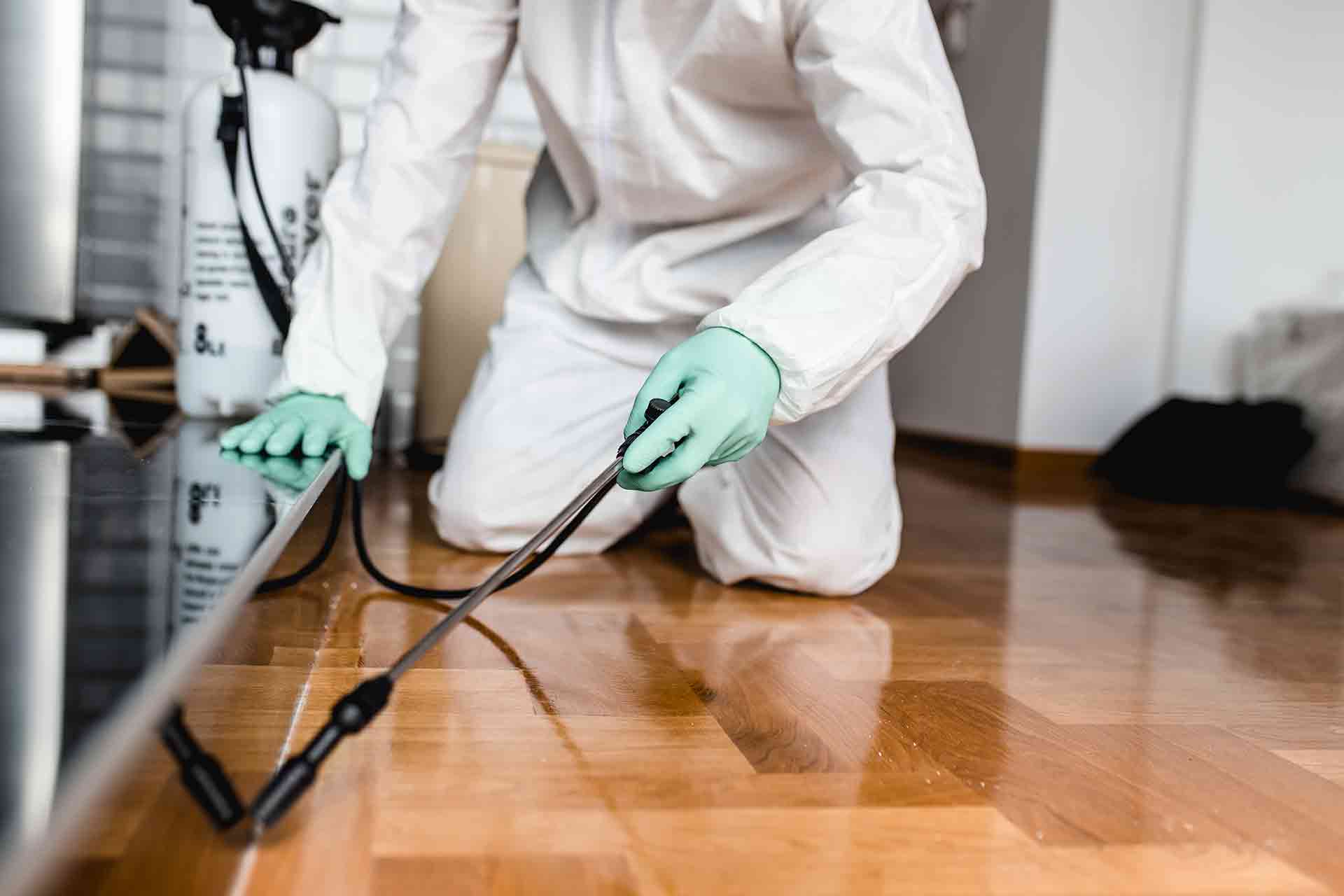
When pest issues arise, proper treatment strategies become necessary. This entails selecting suitable control measures that are effective against certain pests while considering the security of inhabitants and pets. Eco-friendly solutions are increasingly popular, concentrating on natural components and practices. Additionally, working with professional pest control services confirms that interventions are both compliant with health regulations and efficient, leading to long-term pest management approaches.